The Frank G. and Janice B. Delfino Agricultural Technology Research Initiative
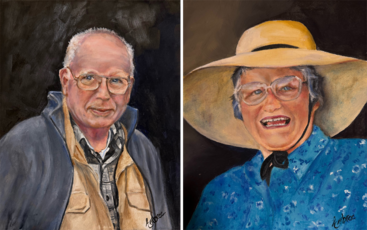
In 2017, Tom and Cynthia established the Frank G. and Janice B. Delfino Agricultural Technology Research Initiative with the intent of fostering collaborations between researchers in agricultural sciences and engineering. The research award serves as seed funding for transdisciplinary collaborations that can ultimately be leveraged for larger funding opportunities. To date, they have generously given $500,000 to the fund, named in honor of Tom’s parents. This program fills a crucial gap by providing “seed funding” for innovative agricultural research that might be too experimental for traditional grants. The initiative has already shown impressive results with one project that focuses on developing bee health monitoring sensors and another on supporting environmentally friendly pest control research aimed at developing sustainable farming solutions.
Delfino Ag Initiative Application Process and Criteria
The goal of the seed funding is to initiate transdisciplinary collaborations that benefit agricultural innovation. This internal award should serve as an opportunity to form collaborations that can create springboards for future collaborations and be leveraged for larger funding opportunities.
Application limitations
- CNAS PI must be the lead
- The co-PI must be from BCOE
- Budget must allocate at least 50% of the funds to CNAS PI
- Funds must be spent within one year of funding
- Award must be driven by a project that benefits agricultural innovation
Proposal requirements
The proposal is modeled after the NIH R03 grant mechanism to encourage exploratory and/or developmental research by supporting early and conceptual stages of project development.
Cover page (1 page): Includes project title, names of faculty with affiliations and contact information; and project narrative (250 word) targeted for a broader audience.
Proposal (3 pages maximum): Proposed research should include relevant background, novelty, milestones/anticipated outcomes, budget and budget justification as well as prospects for future funding. The 3-page proposal includes figures and references.
Biosketch (4 pages maximum per investigator): NIH or NSF-style biosketch for each investigator
Format: one-inch margins; Arial 11 or Times New Roman 12 font.
Proposal review criteria
Proposals will be reviewed by the CNAS Honors/Awards Committee and the CNAS deans using NIH-based criteria. The criteria include: Overall impact; Significance; Investigators; Innovation; Approach; and Environment. Prospects for extramural funding will be considered as well.
Additional notes:
All categories of expenses are allowed. Appropriate examples include, but are not limited to, graduate student tuition, equipment, travel, and supplies.
Junior and senior faculty from across CNAS are encouraged to apply.
Past Recipients of the Delfino Ag Initiative
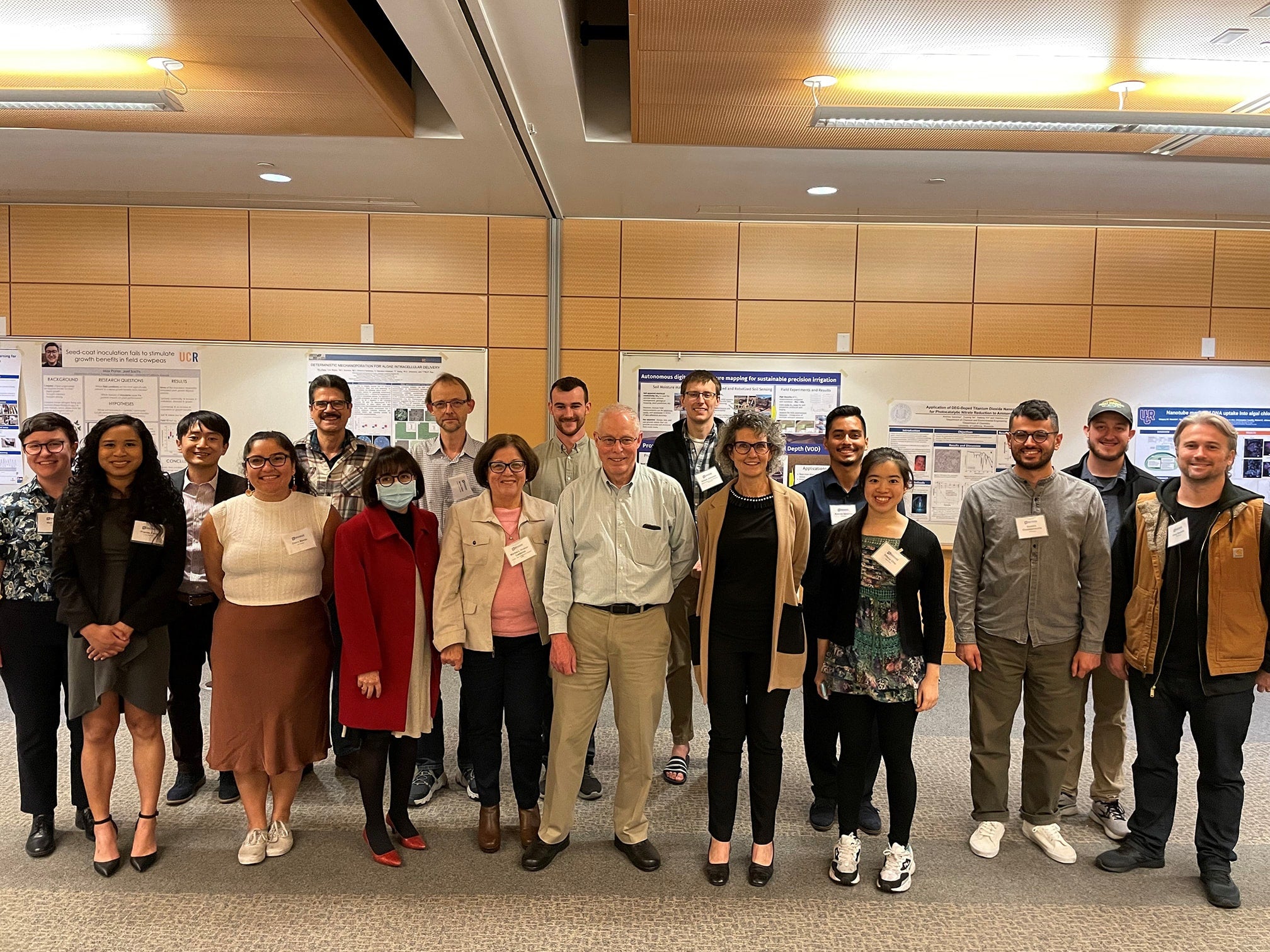
Since its inception, 20 research projects have received funding with more than 70 submitted proposals. The award is given annually to teams of CNAS and BCOE faculty collaborators. The application opens in March and the recipients are notified in June with funding made available July 1 of each year.
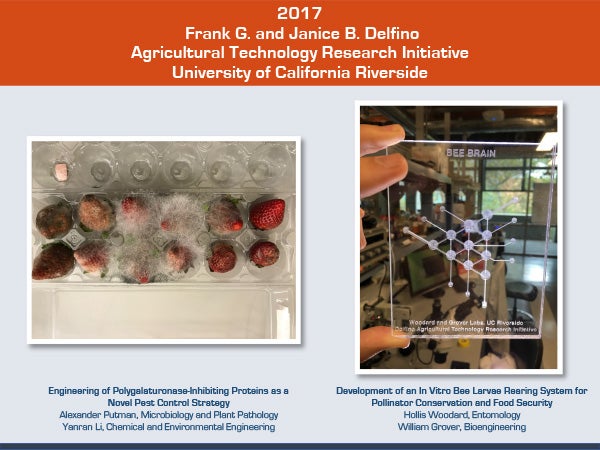
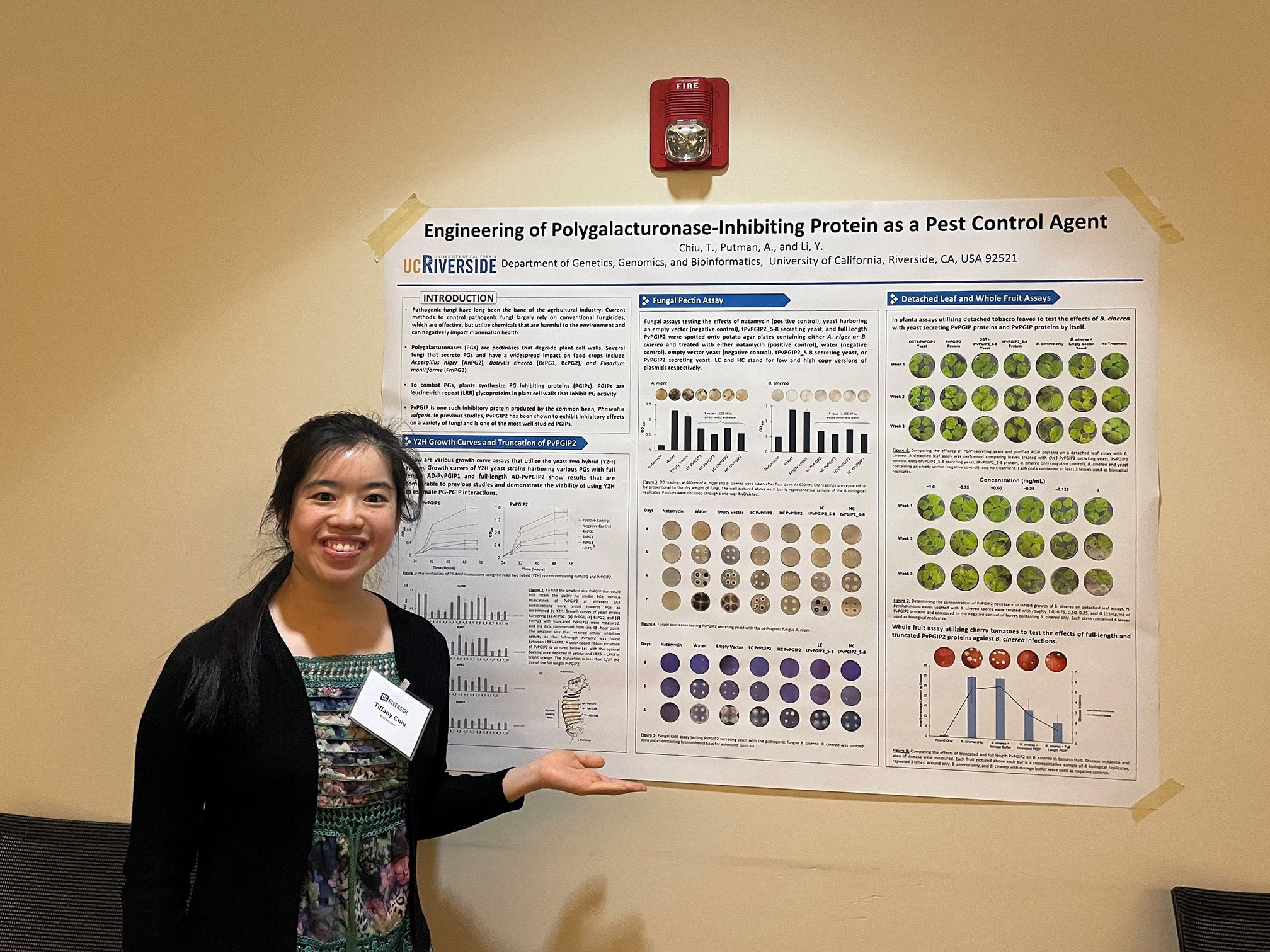
| 2017 | Alexander Putman, Microbiology and Plant Pathology | Yanran Li, Chemical and Environmental Engineering | Engineering of Polygalaturonase-Inhibiting Proteins as a Novel Pest Control Strategy |
| 2017 | Hollis Woodward, Entomology | William Grover, Bioengineering | Development of an In Vitro Bee Larvae Rearing System for Pollinator Conservation and Food Security |
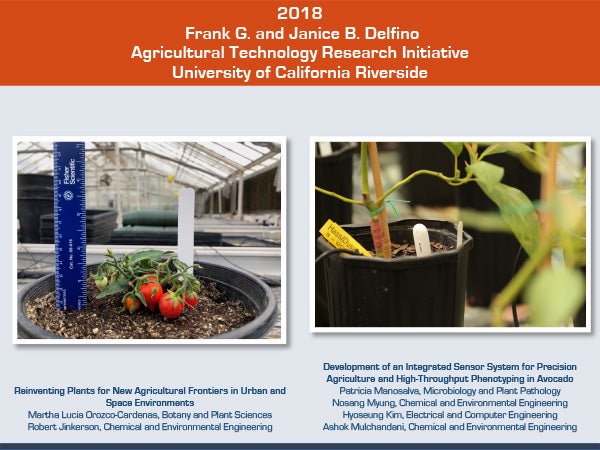
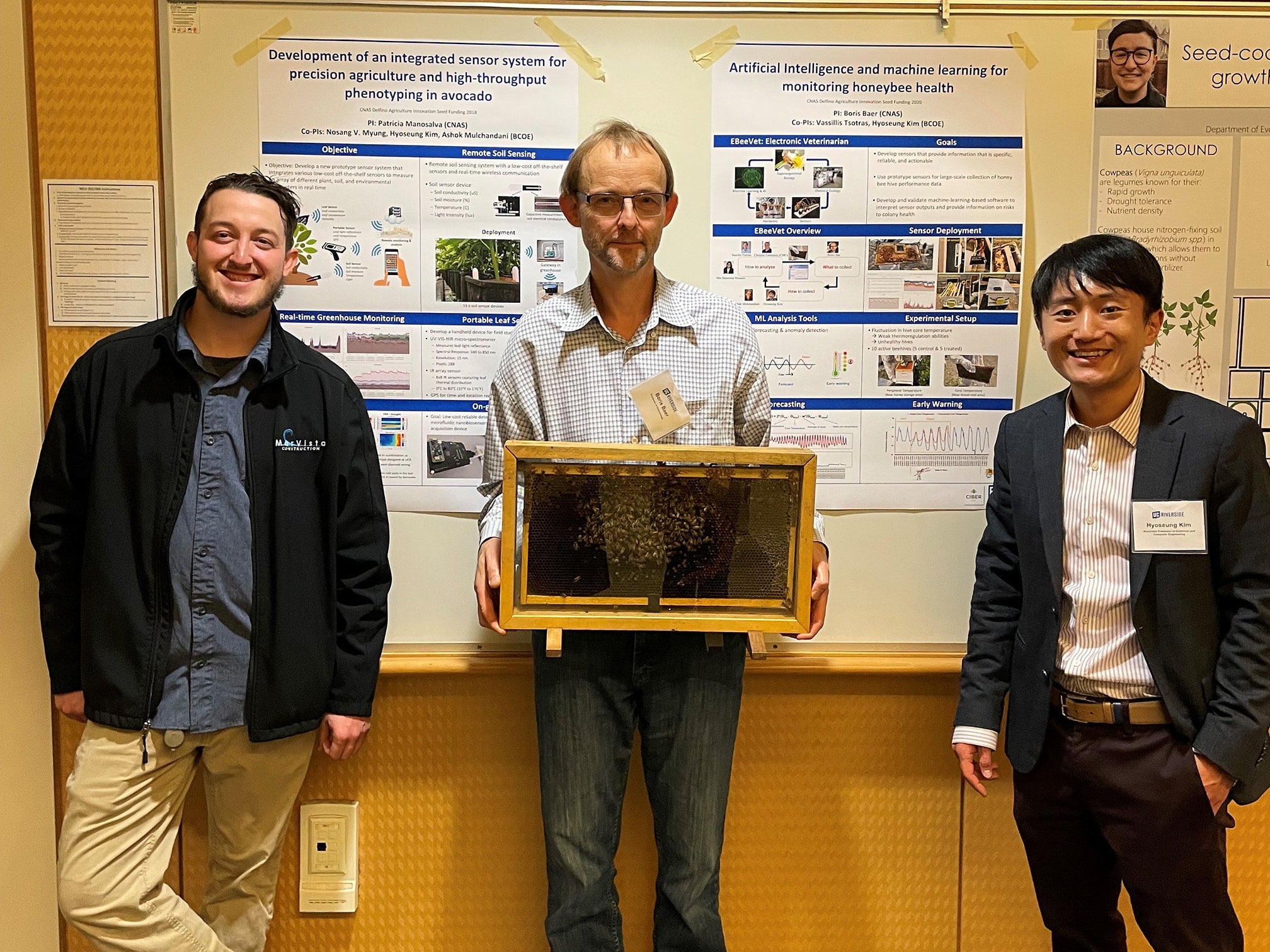
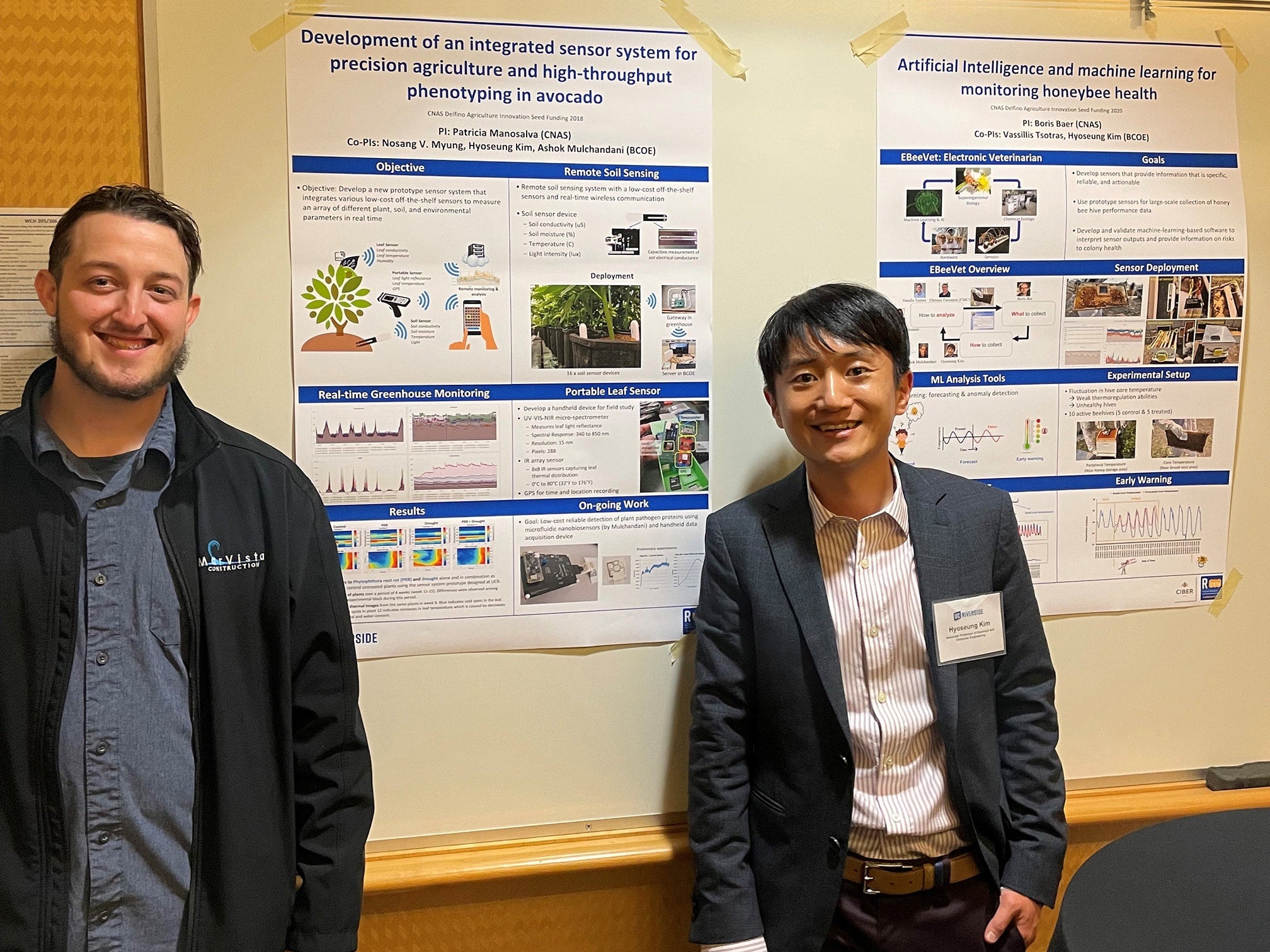
| 2018 | Patricia Manosalva, Microbiology and Plant Pathology | Nosang Myung, Chemical and Environmental Engineering Hyoseung Kim, Electrical and Computer Engineering Ashok Mulchandani, Chemical and Environmental Engineering | Development of an Integrated Sensor System for Precision Agriculture and High-Throughput Phenotyping in Avocado |
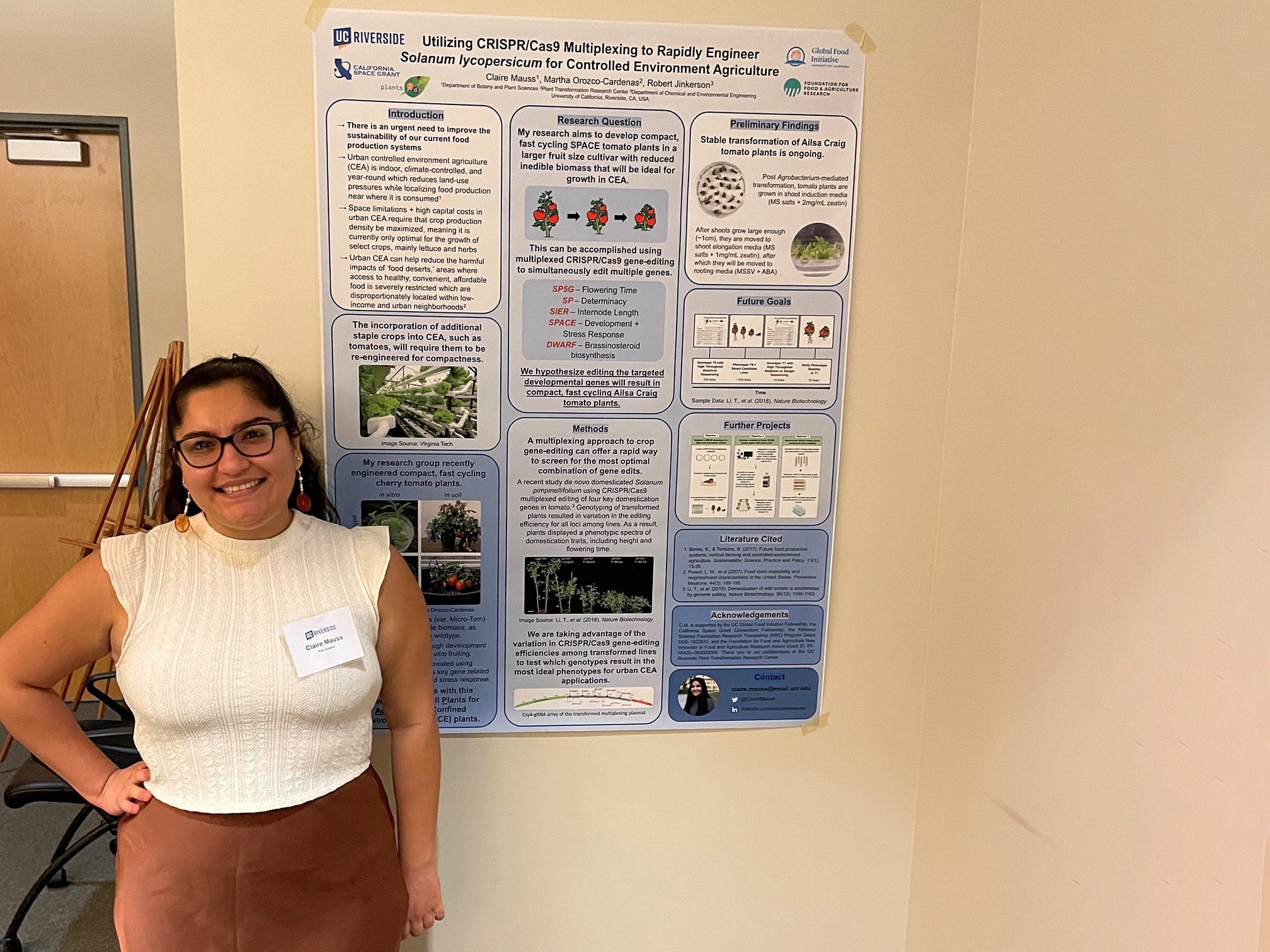
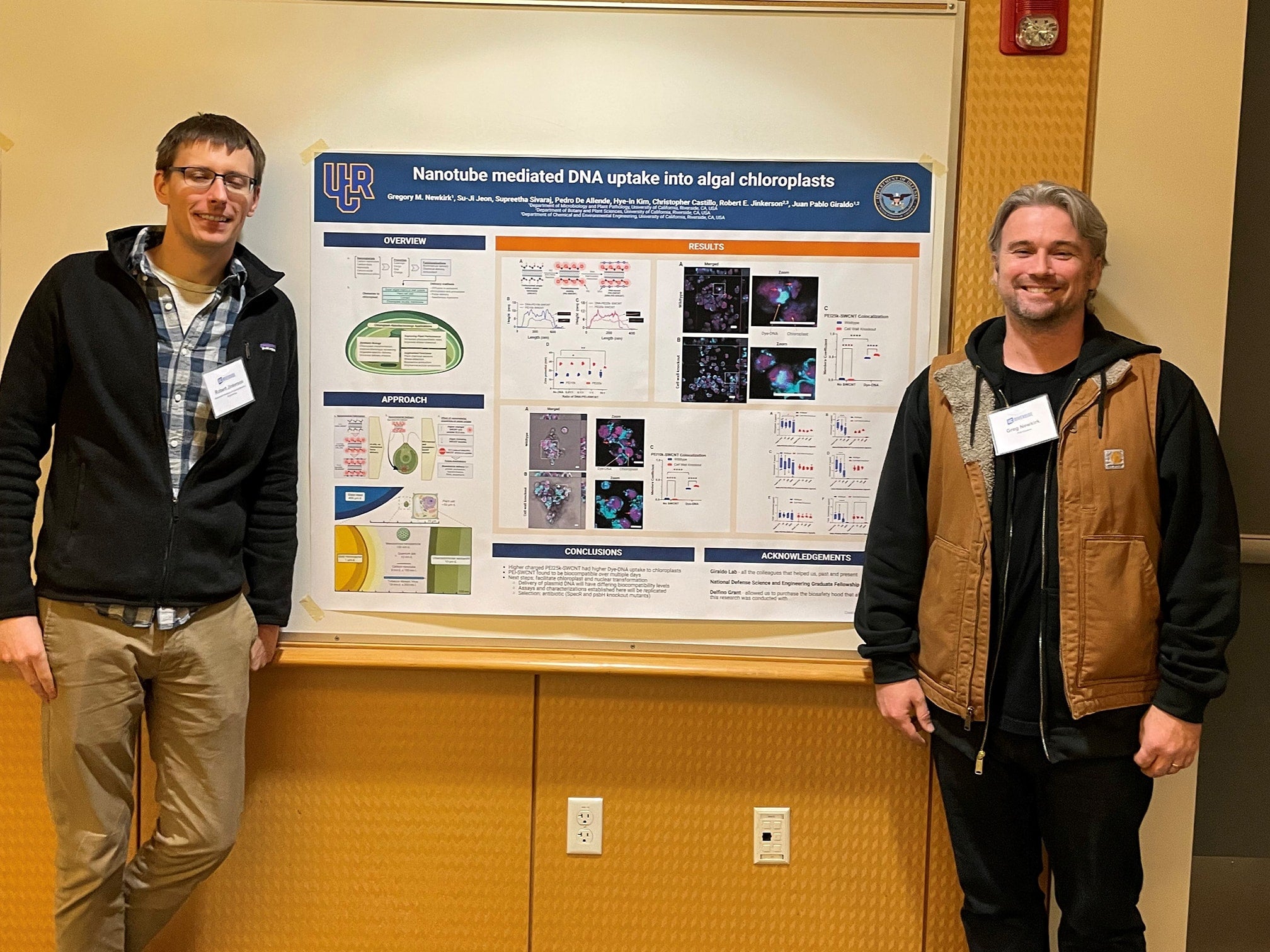
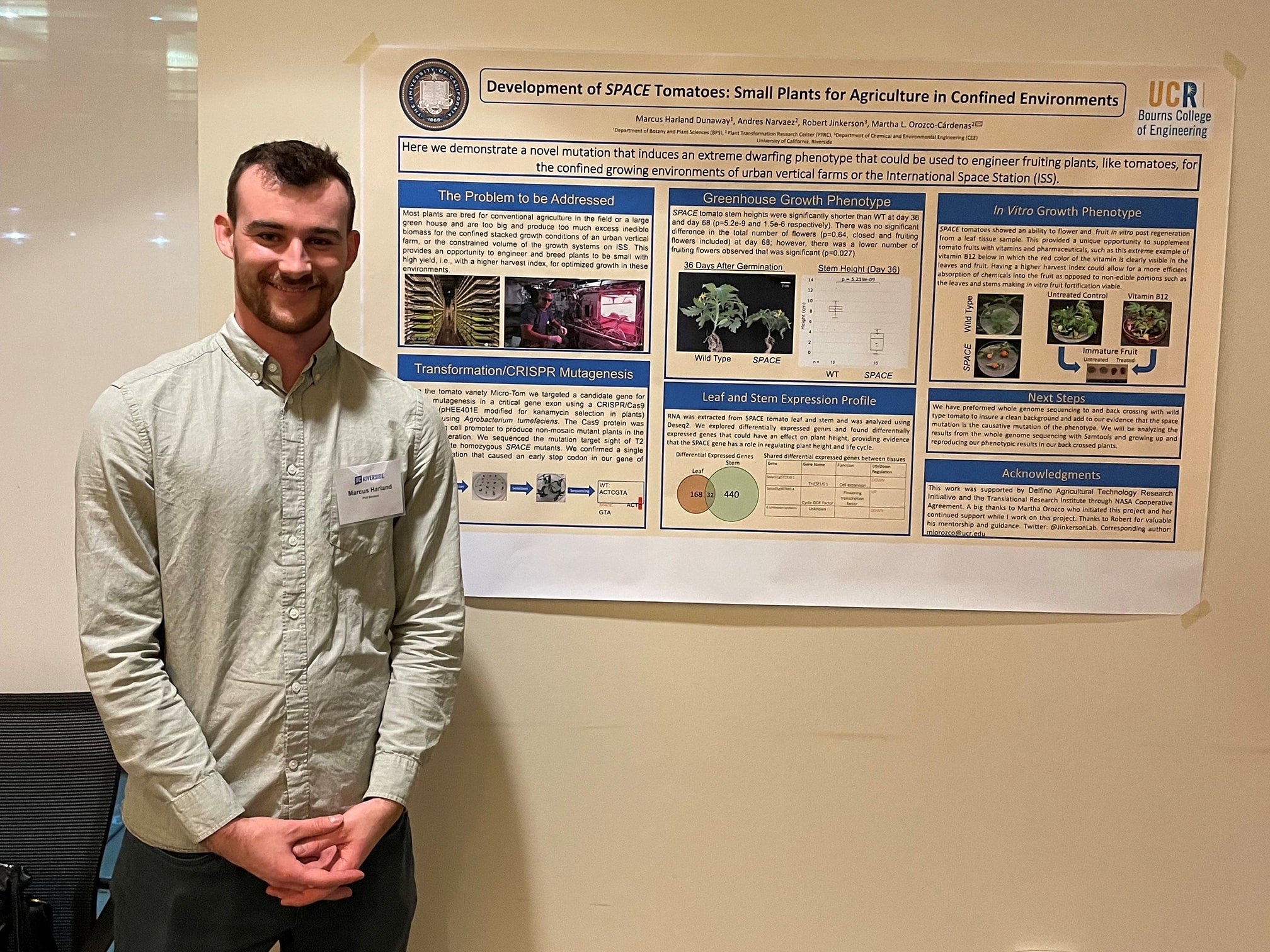
| 2018 | Martha Orozco-Cardenas, Botany and Plant Sciences | Robert Jinkerson, Chemical and Environmental Engineering | Reinventing Plants for New Agricultural Frontiers in Urban and Space Environments |
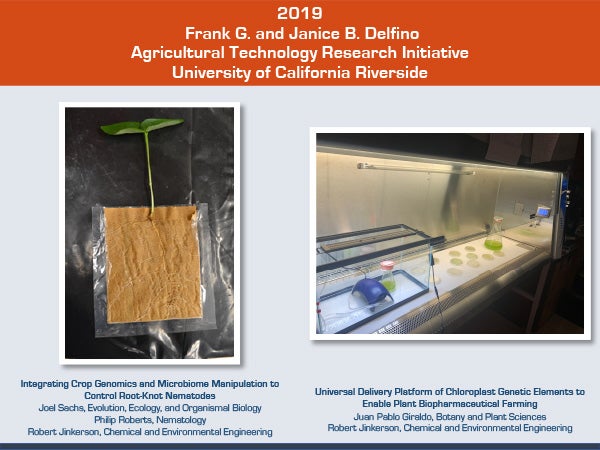
| 2019 | Juan Pablo Giraldo, Botany and Plant Sciences | Robert Jinkerson, Chemical and Environmental Engineering | Universal Delivery Platform of Chloroplast Genetic Elements to Enable Plant Biopharmaceutical Farming |
| 2019 | Monique Rivera, Entomology | Kandis Leslie Abdul-Aziz, Chemical and Environmental Engineering | Utilization of Agricultural Waste for the Development of Sustainably Sourced Biopesticides for Asian Citrus Psyllid |
| 2019 | Carolyn Roper, Microbiology and Plant Pathology | Marko Princevac, Mechanical Engineering | How Does Fluid Shear Force Shape Bacterial Behaviors Necessary for Asian Citrus Psyllid? |
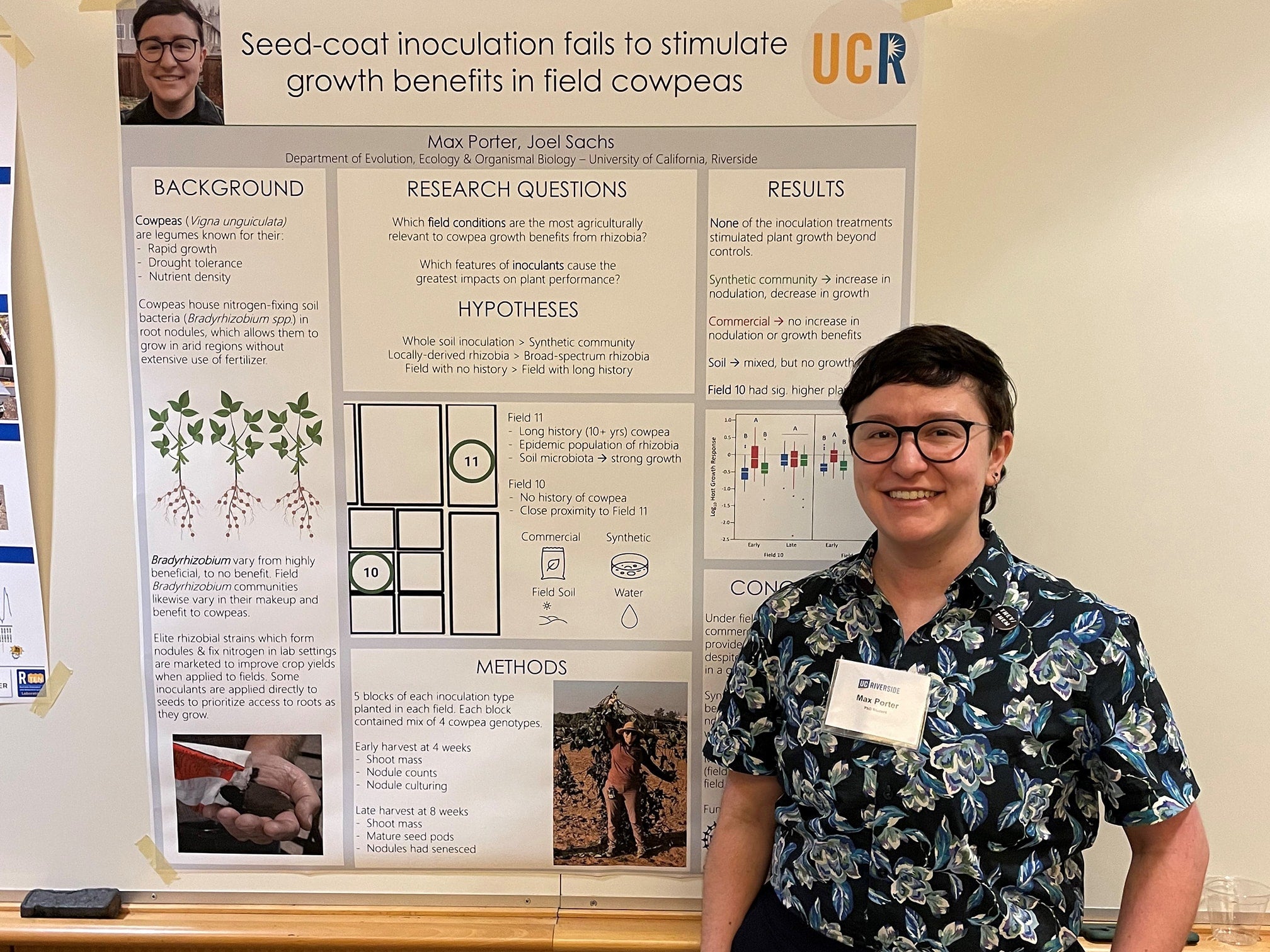
| 2019 | Joel Sachs, Evolution, Ecology, and Organismal Biology | Philip Roberts, Nematology Robert Jinkerson, Chemical and Environmental Engineering | Integrating Crop Genomics and Microbiome Manipulation to Control Root-Knot Nematodes |
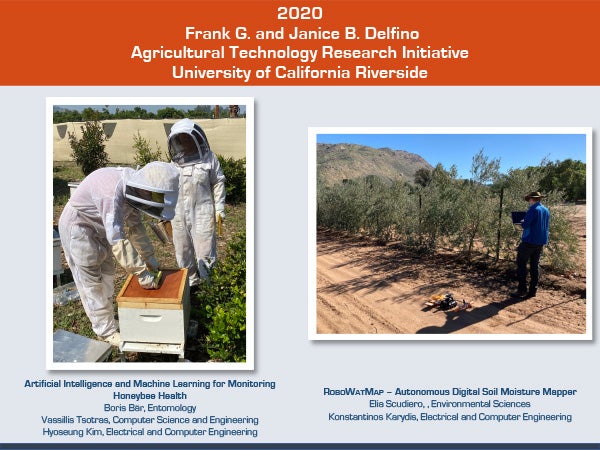
| 2020 | Boris Baer, Entomology | Vassillis Tsotras, Computer Science and Engineering Hyoseung Kim, Electrical and Computer Engineering | Artificial Intelligence and Machine Learning for Monitoring Honeybee Health |
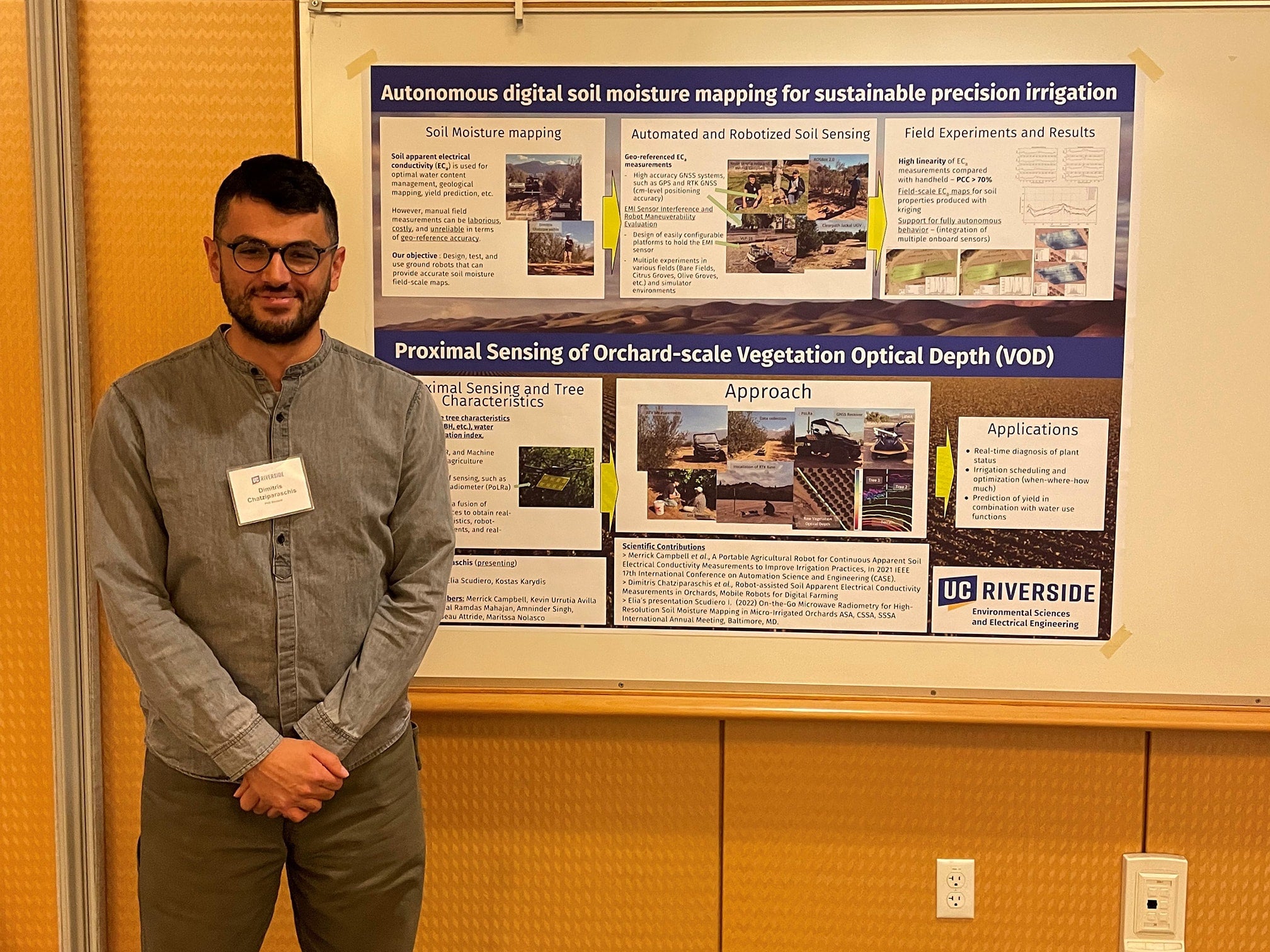
| 2020 | Elia Scudiero, Environmental Sciences | Konstantinos Karydis, Electrical and Computer Engineering | ROBOWATMAP – Autonomous Digital Soil Moisture Mapper |
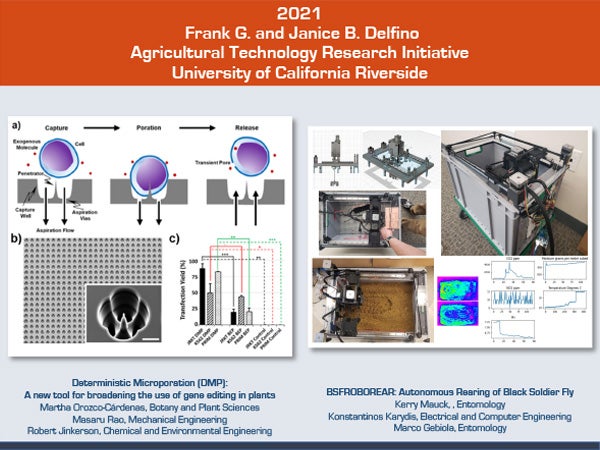
| 2021 | Kerry Mauck, Entomology | Konstantinos Karydis, Electrical and Computer Engineering Marco Gebiola, Entomology | BSFROBOREAR: Autonomous Rearing of Black Soldier Fly |
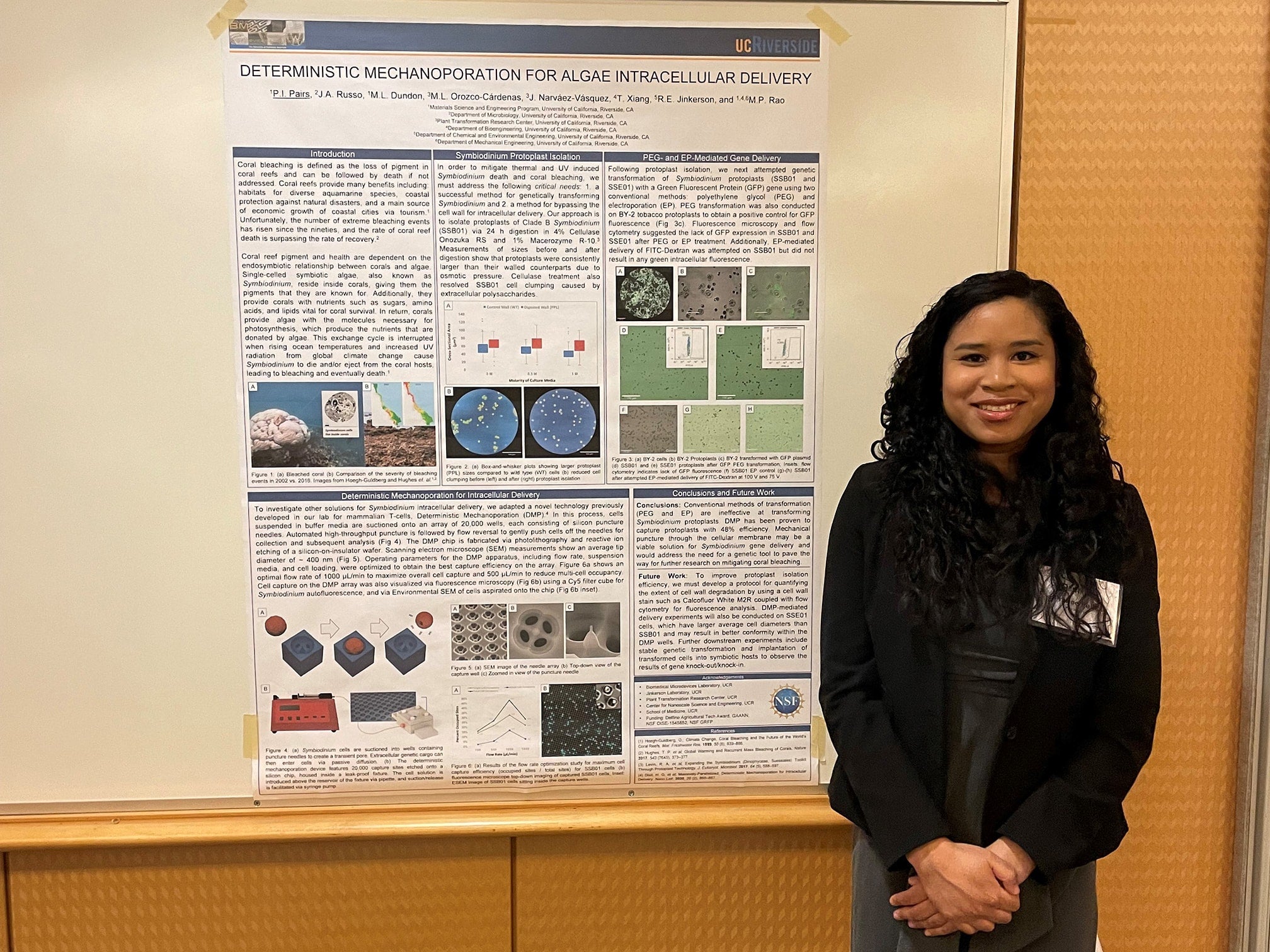
| 2021 | Martha Orozco-Cardenas, Botany and Plant Sciences | Masaru Rao, Mechanical Engineering Robert Jinkerson, Chemical and Environmental Engineering | Deterministic Microporation (DMP): A new tool for broadening the use of gene editing in plants |
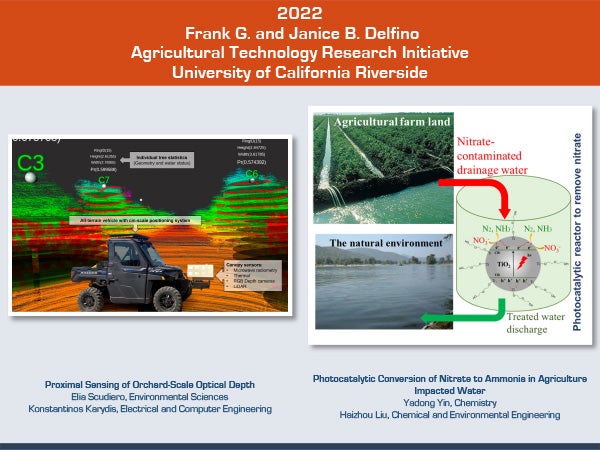
| 2022 | Elia Scudiero, Environmental Sciences | Konstantinos Karydis, Electrical and Computer Engineering | Proximal Sensing of Orchard-Scale Optical Depth |
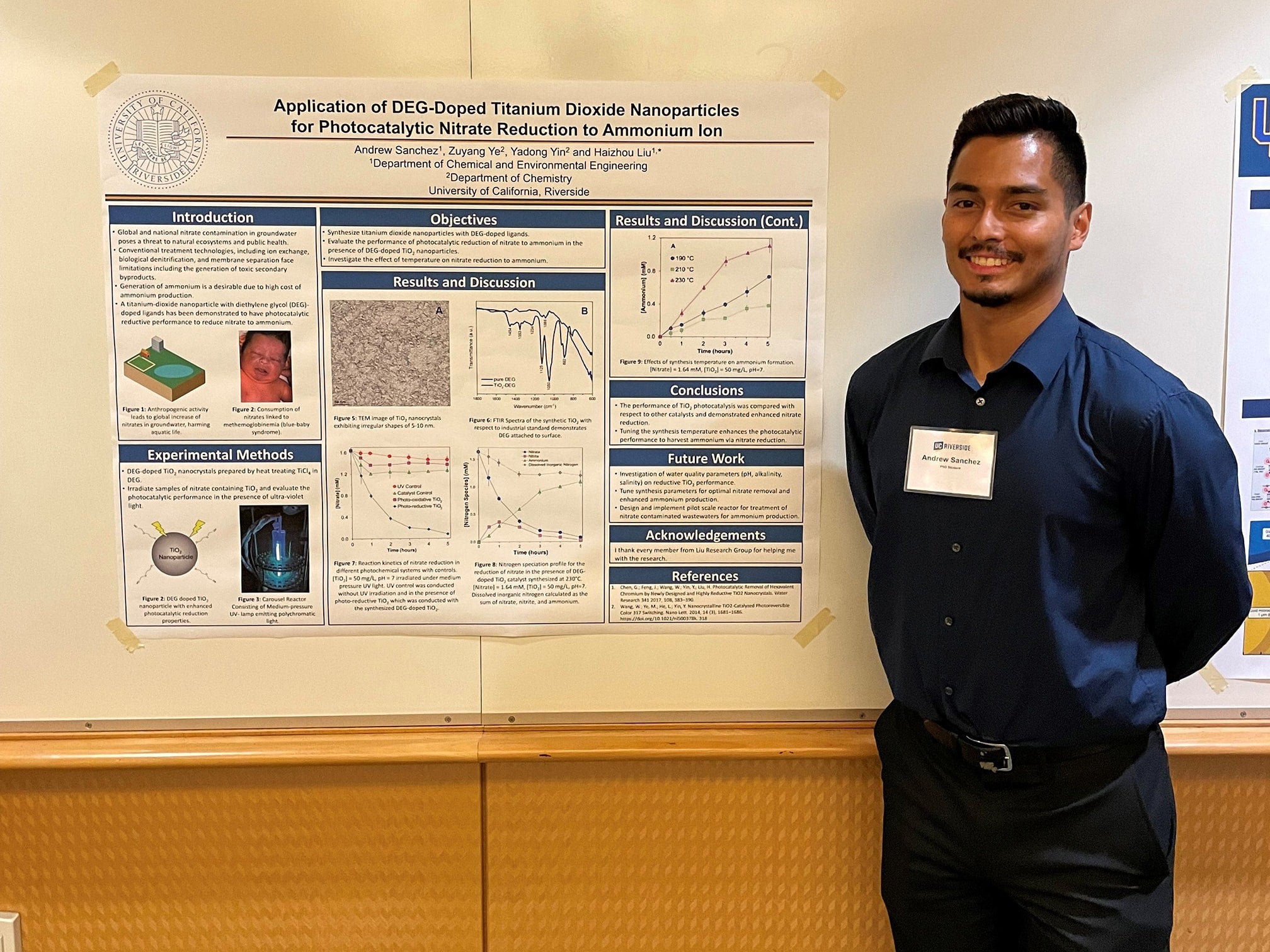
| 2022 | Yadong Yin, Chemistry | Haizhou Liu, Chemical and Environmental Engineering | Photocatalytic Conversion of Nitrate to Ammonia in Agriculture Impacted Water |
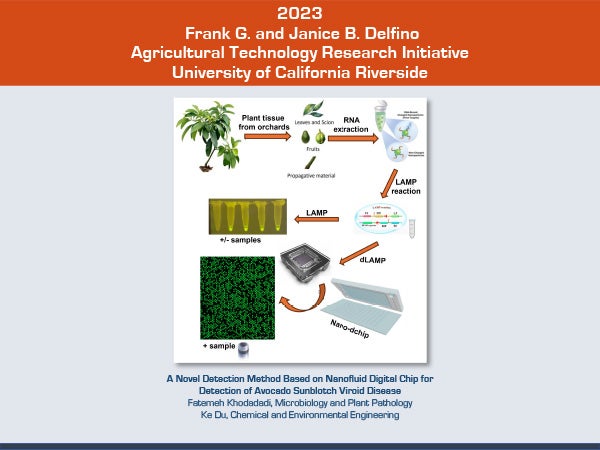
| 2023 | Fatemeh Khodadadi, Microbiology and Plant Pathology | Ke Du, Chemical and Environmental Engineering | A Novel Detection Method Based on Nanofluid Digital Chip for Detection of Avocado Sunblotch Viroid Disease |
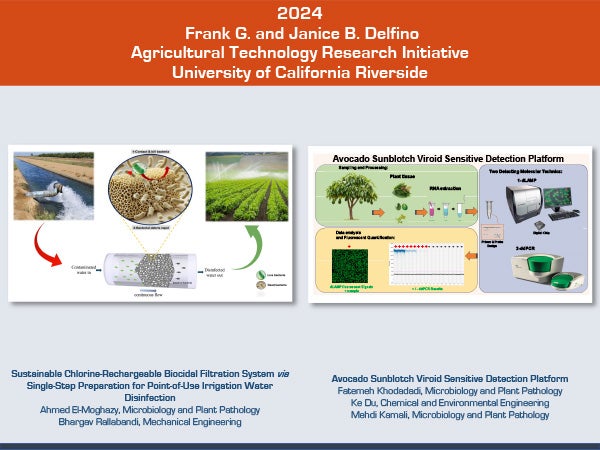
| 2024 | Ahmed El-Moghazy, Microbiology and Plant Pathology | Bhargav Rallabandi, Mechanical Engineering | Sustainable Chlorine-Rechargeable Biocidal Filtration System via Single-Step Preparation for Point-of-Use Irrigation Water Disinfection |
| 2024 | Fatemeh Khodadadi, Microbiology and Plant Pathology | Ke Du, Chemical and Environmental Engineering Mehdi Kamali, Microbiology and Plant Pathology | Avocado Sunblotch Viroid Sensitive Detection Platform |
| 2025 | Olakunle Olawole, Microbiology and Plant Pathology | Juhong Chen, Bioengineering | Early Detection and Biocontrol of Almond Bacterial Blast Using CRISPR-Cas12a and Microneedle-Mediated Phage Delivery |
| 2025 | Saverio Perri, Environmental Sciences | Haizhou Liu, Chemical and Environmental Engineering | Phytoremediation and Reuse of Inland Desalination Brine Blended with Treated Wastewater Using Halophytes |
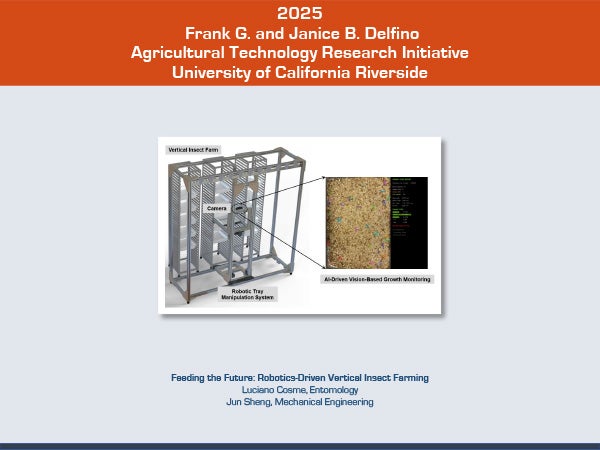
| 2025 | Luciano Cosme, Entomology | Jun Sheng, Mechanical Engineering | Feeding the Future: Robotics-Driven Vertical Insect Farming |
| 2026 | Elia Scudiero, Environmental Sciences | Konstantinos Karydis, Electrical and Computer Engineering Lindsay McCulloch, Environmental Sciences | A Physiological Digital Twin for UCR’s Precision Citrus Orchards: Big Data and Artificial Intelligence for GEMst Discovery |
| 2026 | Amir Verdi, Environmental Sciences | Zhaowei Tan, Computer Science and Engineering | Drone-Enabled Root-Zone Soil Salinity Mapping for Precision Leaching Management in Desert Agriculture |
| 2026 | Jiue-in (Jan) Yang, Nematology | Jiachen Li, Electrical and Computer Engineering & Computer Science and Engineering | AI-Powered Identification and Quantification of Economically Critical Plant-Parasitic Nematodes Using Multimodal Foundation Models |
About Tom and Cynthia
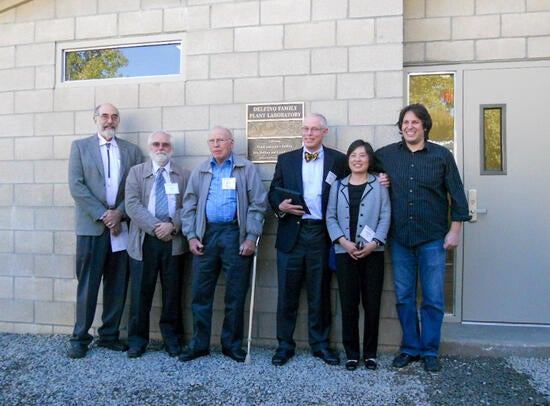
Tom Delfino and his wife, Cynthia Dong, have been friends of UC Riverside for more than 20 years. Tom's connection to UCR runs deep through his passion for citrus. Since joining the California Citrus Nursery Society as Executive Director in March 2005, he has been a tireless advocate for the industry while nurturing over thirty citrus varieties in his own garden in Moraga, California. Before retirement, he served as senior principal at S.S. Papadopulos & Associates, an environmental services firm specializing in professional groundwater and hydrogeology consulting. He is a retired Naval Reserve Medical Service Corps industrial hygiene officer. Tom holds bachelor’s and master’s degrees in chemical engineering from UC Berkeley. He is a co-inventor of a method for bioremediation of chlorinated organic pollutants in soil and groundwater.
Cynthia earned her bachelor’s degree in chemical engineering in Shanghai and comes from a family with a distinguished legacy in medical research. Both of her parents are accomplished physicians and vaccine pioneers in China: Dexiang Dong was among the developers of the polio vaccine widely used throughout China, and Yiyun Cao led the development of the first successful Hepatitis A vaccine. Cynthia also nurtures a lifelong passion for music and is a naturally gifted alto vocalist.
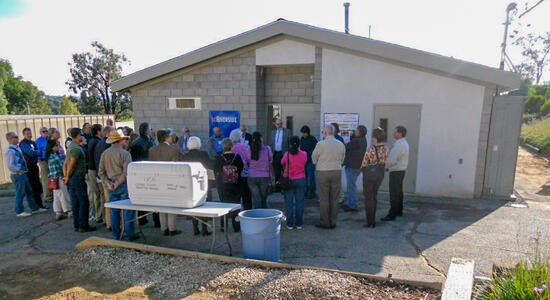
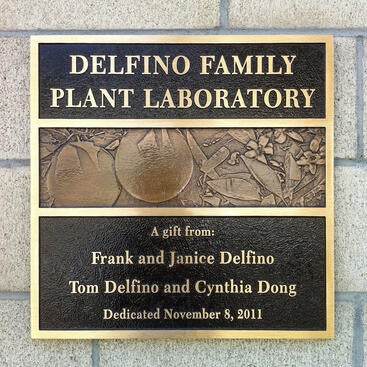
The Delfino family’s support of UCR began in 2002 with a gift to the Citrus Variety Collection, an area that remains especially meaningful to them and a focus of their continued generosity. In 2009, Tom and his father Frank made a joint gift to establish the Delfino Family Plant Laboratory at the Citrus Clonal Protection Program (CCPP) on Mount Rubidoux. The laboratory, housed in a renovated quarantine greenhouse, now serves as the hub for citrus germplasm testing, pathogen analysis, and molecular research.